


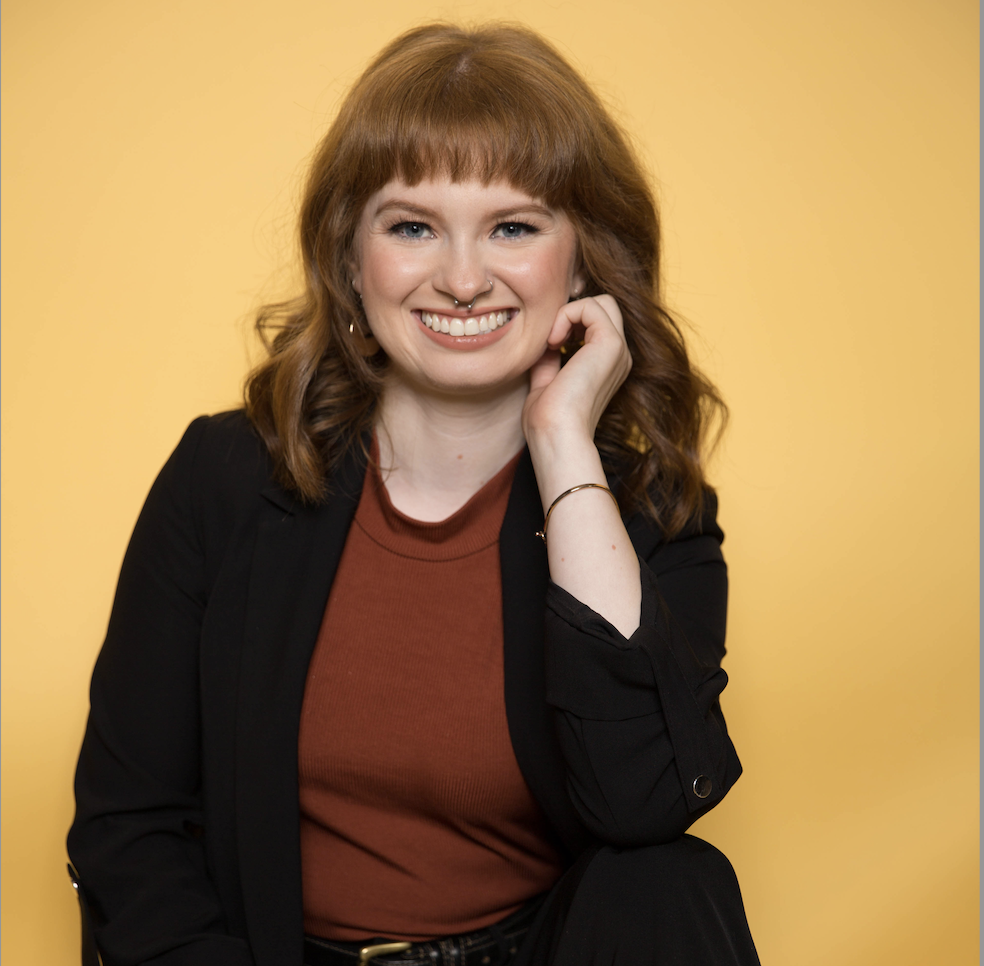
Riley Casentini
Riley graduated from UC Davis in 2022 with a BA in English and a minor in professional writing and sociology. She is currently a Communications Manager for The Social Changery, where she works on the marketing and communication surrounding public health and social justice campaigns.
From Riley, you'll learn about social justice writing, networking tips, and where your PWM internship could lead!
Why did you decide to be a Professional Writing minor?
I always imagined myself doing either grant writing and communications or social justice writing. I majored in English and I felt like it was a lot of reading and analyzing texts, so I also wanted a background in technical writing. I wanted to know how to develop reports and memos, and to learn something more applicable to the workforce outside of general English.
How do you use skills from the Professional Writing minor as a Communications Manager for The Social Changery?
My most beneficial class was my English grammar class (UWP 106) because it dove into linguistics, lexicon, and the meaning behind languages. It gave me a firmer grasp on writing, better sentence composition, and that there are exceptions to grammar rules. In the work that I do, which involves a lot of interviews, there is a misconception that we always need to change quotes to be grammatically correct. Correct grammar is just one version of how people speak and by editing too heavily, you take away people’s voices. That advice was a really interesting aspect from my grammar class and definitely something I still use today.
For example, The Social Changery is working on a juvenile justice anthology where we did interviews with youths who are currently or formerly incarcerated. I was the one who transcribed and edited these interviews. I didn’t want to change some of the words they used even if they weren't "grammatically correct,” because that wouldn’t match the authentic voice of those people. This would go against the whole goal of capturing their experiences and representing their voices in a way that is meaningful to them.
How did you end up working for The Social Changery and what do you love about your job?
When I was a Professional Writing minor I had to do an internship (UWP 192), I found The Social Changery through research and a recommendation from my uncle. The Social Changery is a consulting firm that does public health, behavioral health, social justice, and strategy consulting for non-profits, different government branches, and private philanthropic entities. I did my Professional Writing minor internship with them for a few months then I was hired full time, and have been on their Communications Team for four years.
For the communications side of my work I have helped with the Children and Youth Behavioral Health initiative through the state. Currently, for that initiative, I have been writing articles about the efficacy of their programs and how the grant funding has facilitated the impactful work they do. In the marketing side of my job, I write copy for media buys, like ads on social media, and facilitate meetings. I also do a lot of work in communities, like recently, I helped co-emcee an event for the Children and Youth Behavioral Health initiative. My work is extremely meaningful to me and I truly feel like I’m making a difference.
What trends in your industry should current Professional Writing minors know about?
Storytelling, building lasting relationships, and understanding when to partner with others are huge trends I'm seeing right now. To effect change, because I do mostly behavior change communication, we tie our writing back to the emotional side of things. We do this by interviewing other people to share their personal narratives. It is important to center the community and build lasting relationships if you are going to tell someone else's story. Communication may feel like it's mostly writing, but a large part of it is building relationships and becoming a trusted partner. It is also about knowing when the proper time to step in or rely on someone else. By that I mean, if you want to tell a certain story, but you do not have contacts in those communities, then know when to find a community representative who can help you do the work.
For instance, we do a lot of work in the Native American community, but I’m not Native and do not have those contacts. However, I have two colleagues that are, and often facilitate those interviews, so we work in tandem to share those stories. It's important to know your role and get the proper community lens to accurately share these stories and build those relationships.
I have also learned that to maintain professional relationships. It’s important to have a feedback loop where you share opportunities, compensate people for their time, follow people on LinkedIn, and share contacts with others if they are interested in similar research. Essentially, it's networking that emphasizes sharing resources and uplifting community voices.
Do you have any advice for Professional Writing minors?
We are inundated in a day and age where there are many marketing and communication jobs. Due to funding cuts, I often hear people worry that there are not as many jobs in public health. I’d say, if you are someone who wants to effect change, there is a huge network of people who are doing good work out there. Find an initiative or non-profit you are passionate about, reach out to folks and you will find a way to make a difference. Communication is the start and end of everything, so don’t be scared to take time to find a job you’re truly passionate about.
This interview was conducted by Shayna Schreiber